18 Sep 2026
Mapping the Journey from Traditional Tables to Modern Unlimited Wagering Apps

The evolution of wagering platforms traces a clear path from physical tables in brick-and-mortar establishments to sophisticated mobile applications that support unlimited stakes. Observers note that early table games operated under strict house limits and physical constraints, whereas contemporary apps remove many of those boundaries through software architecture and regulatory adjustments.
Foundations in Physical Casino Environments
Traditional tables relied on cash chips, dealer oversight, and fixed betting caps that varied by jurisdiction. Data from the American Gaming Association shows that floor limits in major U.S. properties often capped individual wagers at several thousand dollars per hand during the 1990s and early 2000s. Those restrictions stemmed from risk management protocols and banking requirements rather than player preference.
Yet the same period saw gradual increases in high-roller rooms where private tables allowed larger amounts under special arrangements. Researchers tracking Nevada Gaming Control Board filings observed steady growth in these private arrangements as operators sought to retain affluent clientele who found standard limits restrictive.
Shift Toward Digital Platforms
Online poker rooms and virtual casinos began appearing in the late 1990s, initially replicating table limits in digital form. Software developers soon introduced features that scaled stakes automatically based on player demand and account verification. According to industry reports compiled by the European Gaming and Betting Association, transaction volumes rose sharply once operators removed per-hand ceilings on certain game types.
Payment processors adapted as well. Secure socket layers and encrypted wallets enabled larger transfers without the physical handling of cash or chips. This infrastructure change laid groundwork for applications that later advertised unlimited wagering on selected tables or markets.
Emergence of Mobile Applications
Smartphone penetration accelerated the move from browser-based sites to dedicated apps. Developers optimized interfaces for touch controls and real-time updates, allowing users to join tables or place wagers within seconds. Market data compiled by Canadian regulatory analysts indicated that mobile gambling sessions surpassed desktop sessions by 2018 in several provinces where online play was permitted.
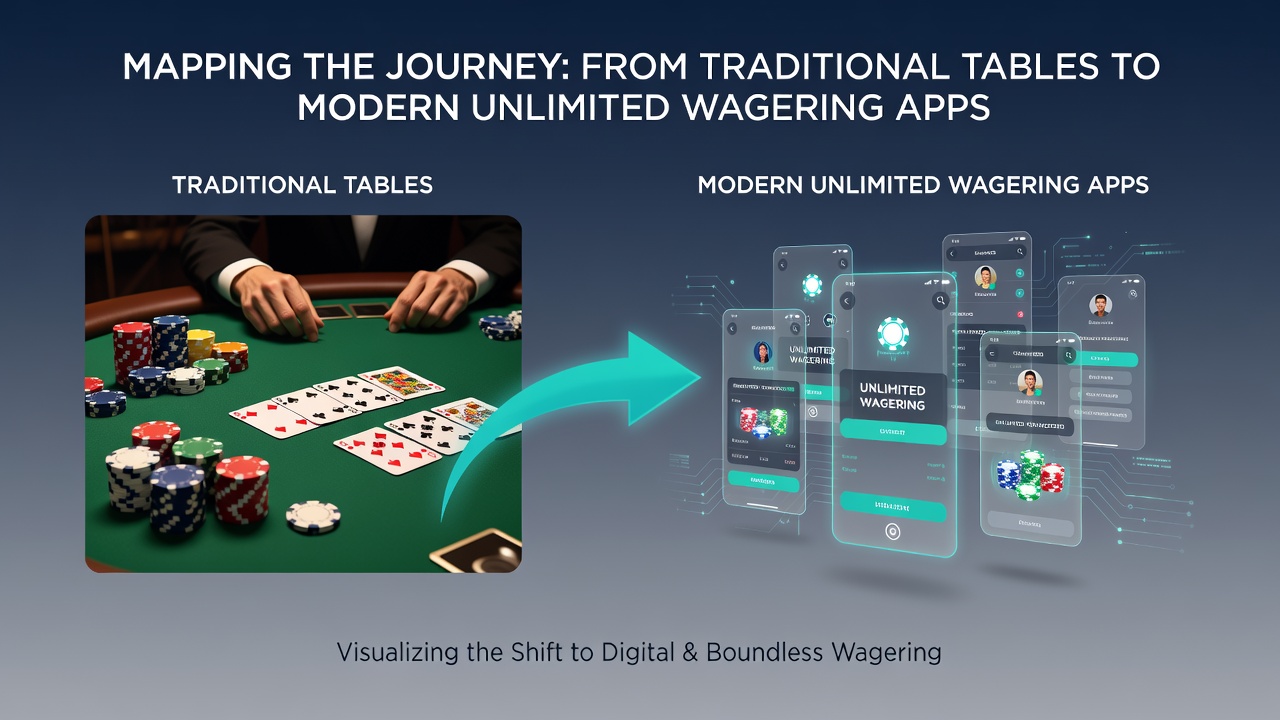
Unlimited wagering features typically require account verification tiers and sometimes geographic restrictions. Operators set these parameters to comply with local statutes while still offering higher limits than traditional venues. In September 2026, several platforms updated their compliance dashboards to reflect new multi-jurisdictional reporting standards that track high-value transactions across borders.
Regulatory Adjustments and Market Expansion
Government agencies in Australia and parts of the European Union revised guidelines to accommodate higher-stake digital products. Figures released by the Australian Communications and Media Authority reveal that licensed operators must maintain detailed logs of wagers exceeding defined thresholds, yet many platforms now advertise no upper cap once verification clears. These changes reflect a balance between consumer protection measures and commercial interests.
Academic studies published through university research centers have examined player behavior under unlimited conditions. One analysis from a Canadian institution found that session lengths varied more widely once artificial caps disappeared, though aggregate spend patterns remained consistent with historical data from physical venues. Such findings help regulators calibrate responsible gaming tools within the same applications.
Technical Infrastructure Supporting Unlimited Play
Cloud-based servers and distributed ledger elements now handle the computational load of large simultaneous bets. Real-time risk engines adjust odds and liquidity across global player pools, reducing the need for manual table limits. Payment rails integrated with banking partners allow instant deposits and withdrawals at scales previously reserved for institutional transfers.
Security protocols include multi-factor authentication, device fingerprinting, and continuous monitoring for irregular patterns. These systems operate in the background while the user interface presents a seamless experience similar to early table games but without the physical constraints of chip stacks or dealer attention.
Conclusion
The progression from fixed-limit tables to modern applications demonstrates how regulatory frameworks, payment technology, and software design have converged to support larger and more flexible wagering options. Data from multiple oversight bodies continues to shape the boundaries within which these platforms operate, ensuring that growth occurs alongside established compliance requirements. As September 2026 reporting cycles conclude, further refinements in cross-border standards may influence the next phase of this ongoing transition.